Crisis Communication & Reputation Management
High-Stakes Media Training for CEOs, C-Suite Leaders & Legal Counsel
When a corporate crisis hits—whether a regulatory investigation, product recall, executive scandal, cyber breach, or public relations emergency—every spoken word carries immense financial, legal, and reputational risk. In these moments, a single nervous pause, an off-hand phrasing, or aggressive body language can escalate a crisis instantly.
Navigating congressional or parliamentary inquiries, hostile TV news interviews, press conferences, and shareholder interrogations requires absolute physiological state control, strategic narrative discipline, and precise legal alignment.
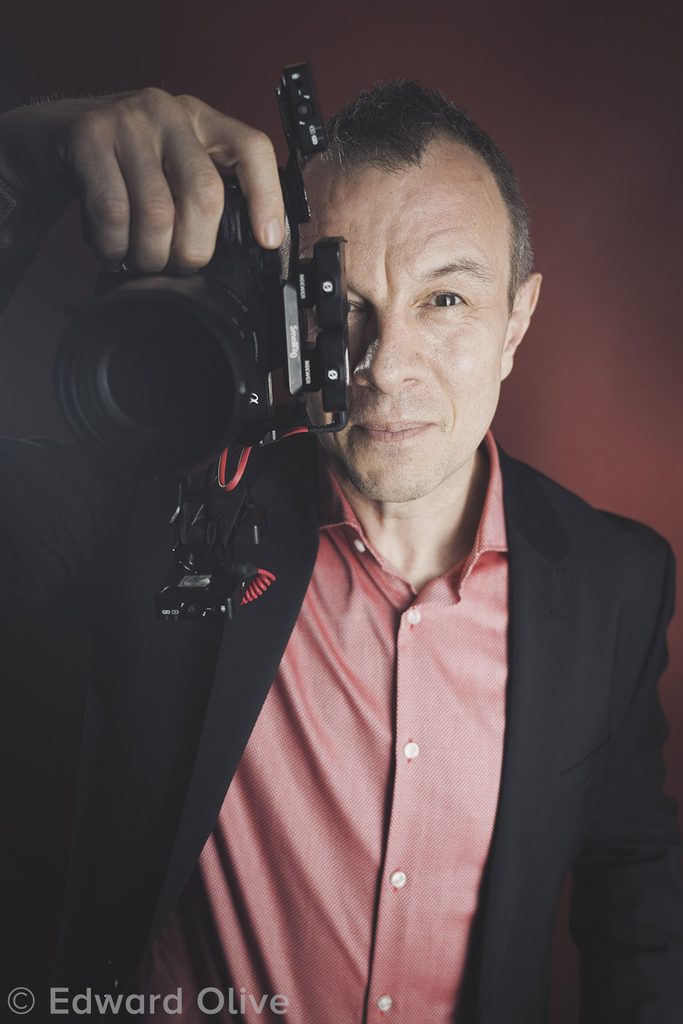
Delivered personally by Edward Olive—former commercial litigation solicitor (London and Paris), former university law lecturer, professional actor, and native British voiceover artist—our 1-to-1 Crisis Communication Coaching prepares leadership to command the narrative under maximum scrutiny.
Available in-person at our broadcast-grade media studio in Madrid, Spain (Metro Lucero, Line 6) or 100% online worldwide.
High-Stakes Crisis Arenas We Prepare You For
- Governmental & Regulatory Inquiries: Prepare for hostile questioning, cross-examination, and investigative committees (such as US Senate committees or parliamentary hearings).
- High-Pressure Press Conferences: Maintain composure under a firing squad of investigative journalists, steering high-risk Q&A sessions back to key facts.
- Hostile TV & Media Interviews: Master the art of the 15-second soundbite, bridging away from trap questions while looking calm, authentic, and authoritative on camera.
- Shareholder & Investor Emergency Briefings: Reassure capital markets, board members, and stakeholders during sudden operational disruptions.
- Internal Leadership & Employee Town Halls: Deliver empathetic, grounded, and decisive communication to stabilize organizational morale.
An Unrivaled Multidisciplinary Edge
Your coaching is led by Edward Olive, combining high-pressure legal strategy with performance arts mastery:
- Former Commercial Litigation Solicitor: Qualified Solicitor of the Supreme Court of England and Wales (Constant & Constant, London/Paris), experienced in adversarial cross-examination and high-stakes dispute resolution.
- Former University Law Lecturer: Taught law at the University of Leeds and London City University, bringing rigorous analytical structure to complex narratives.
- Professional Screen & Stage Actor (Since 1998): Trained across London and Paris at RADA (Royal Academy of Dramatic Art), The Actors Centre, City Lit, and Studio 34, providing deep expertise in physiological state control under extreme pressure.
- Native British Voiceover Artist & Vocal Coach: Expert in vocal grounding, diaphragmatic breath control, and eliminating vocal cord strain or high-pitched tension under stress.
High-Definition Diagnostic Media Studio in Madrid
Sessions take place in our dedicated private studio at The Factory Lucero in Madrid:
- 4K Ultra-HD Video Mock Interviews: Replicate hostile press environments and review recordings frame-by-frame.
- Neumann Studio Microphones & Audio Monitoring: Analyze vocal tone, pitch spikes, filler words, and breath support in high definition.
- Real-Time Playback & Feedback: Fine-tune micro-expressions, eye contact, and physical posture under simulated pressure.
Mastering High-Stakes Crisis Delivery: Nerves, Physiology & Structure
During severe public scrutiny—whether high-profile tech CEOs facing legislative committees, corporate leaders handling regulatory fallout, or public figures navigating media frenzies—the human nervous system triggers a fight-or-flight response.
When adrenaline surges, vocal cords tighten, eye contact wavers, and the brain defaults to vocal crutches («err», «um», «you know», «I mean»). In crisis settings, these micro-signals are misread by the public as guilt, evasiveness, or panic.
Here is how we train C-suite leaders and legal counsel to master physiology, optics, and message structure under fire:
1. Eliminating Filler Words & Controlling Vocal Delivery
- The Power of the Silent Pause: Filler words («err», «um», «you know», «like») occur because the brain wants to speak before it finishes formulating the thought. Replace the urge to fill airtime with a deliberate silent pause. A 2-second pause reads as deliberate, thoughtful, and authoritative on camera; «um» reads as uncertain.
- Diaphragmatic Grounding: Under pressure, breathing becomes shallow and thoracic (chest-based), raising vocal pitch and forcing tight speech. Lower your breath into the diaphragm to maintain a deep, resonant tone that conveys calm control.
- Vocal Cadence & Sentence Termination: End sentences with a decisive falling intonation. Avoid rising inflections at sentence endings (uptalk), which turn declarative statements into tentative questions.
2. Controlling Physical Body Language & Eye Contact
- The 3-Second Eye Contact Anchor: Rapid, darting eyes signal anxiety or deceit to television audiences. Maintain solid, 3-second eye contact with the inquiring senator, journalist, or directly into the camera lens before shifting focus.
- Open, Grounded Stance: Keep shoulders back, chest open, and feet firmly planted. Avoid defensive posture (crossed arms, self-soothing touches such as neck-rubbing, clasping hands tightly, or adjusting collar buttons).
- Controlled Gestures within the «Box»: Keep hand movements deliberate and contained within the upper torso zone. Fidgeting with pens, tapping fingers, or foot-swivelling on studio chairs destroys executive authority instantly.
3. Structural Frameworks for High-Risk Q&A
Under aggressive questioning, never deliver unstructured, stream-of-consciousness answers. Use proven logical frameworks to stay grounded:
- The PREP Framework (Point, Reason, Example, Point):
- Point: State your primary position in sentence one.
- Reason: Provide the strategic or legal rationale.
- Example/Evidence: State the concrete action taken or audit initiated.
- Point: Reiterate the core stance concisely.
- The PEEL Framework (Point, Explanation, Evidence, Link):
- Ideal for technical or regulatory inquiries where complex compliance steps must be linked back to core corporate responsibility.
- The Minto Pyramid Principle & BLUF (Bottom Line Up Front):
- Start with the conclusion first. Do not build up to your point through long preambles; state the action or result immediately, then support it with high-level structural points.
- The ABC Bridging Technique (Acknowledge, Bridge, Control):
- Acknowledge: Address the journalist’s or senator’s question neutrally without accepting hostile premises («I understand the concern regarding…»).
- Bridge: Pivot smoothly using transitional phrasing («What is critical to focus on here is…», «The core issue we are resolving is…»).
- Control: Deliver your prepared core message with clarity and stop speaking immediately. Do not over-explain.