Internal Promotion & Partnership Interview Masterclass
Proven Executive Coaching Across Industry Leaders
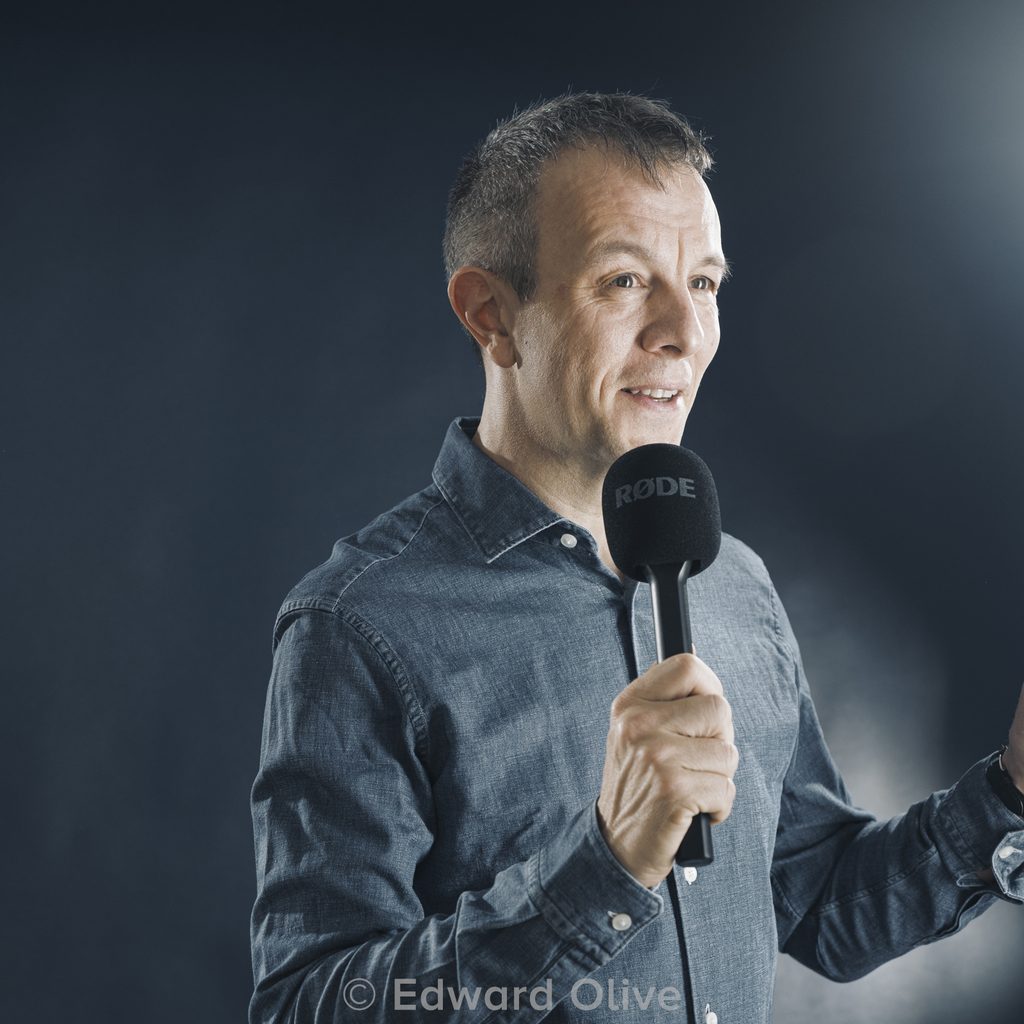
With over two decades of international experience in high-stakes legal, corporate, and artistic environments, Edward Olive has provided bespoke 1-to-1 executive communication and presentation coaching to senior leaders, directors, legal partners, and managers across leading global enterprises.
Our executive coaching framework is battle-tested across major multinational corporations, top-tier global consultancies, international financial institutions, law firms, and media conglomerates. Client engagements include coaching leadership teams, partners, and senior executives at:
- Technology & Global Distribution Leaders: Amadeus, Oracle, and Accenture (preparing directors, country managers, and technical heads for high-stakes C-suite briefings, EU AI compliance rollouts, cloud migration pitches, and global town halls).
- Financial Institutions & Banking Giants: Banco Santander and ING (training finance leaders, risk directors, and regional executives in boardroom defense, investor earnings calls, and clear executive presence).
- Telecom & Infrastructure Multinationals: Telefónica and Iberia (coaching executive teams on crisis management, stakeholder alignment, and high-impact media appearances).
- Professional Services & Advisory Leaders: Deloitte and EY (preparing Senior Managers and Directors for Partner admission panels, rainmaking pitches, and whole-firm leadership assessments under Korn Ferry frameworks).
- Elite International Law Firms: Linklaters and top-tier global litigation practices (coaching commercial partners and legal advocates on oral presentation, courtroom presence, cross-examination posture, and accent refinement).
- Media & Creative Conglomerates: Warner Chappell Music (coaching A&R directors, executive leads, and creative managers on high-level catalog investment pitches, stakeholder negotiation, and public speaking).
Whether navigating a high-pressure Partner interview panel at a Big Four firm, defending complex tax or technical architectures before a C-suite board, or addressing trade union councils and media broadcast teams, Edward Olive brings an unrivaled blend of legal advocacy, RADA-trained performance state control, and broadcast-grade vocal precision to ensure you command absolute authority.
Navigating the Transition: Associate ➔ Director ➔ C-Suite / Partnership
Part 1: The Core Paradigm Shift
What got you here will not get you there.
The single biggest failure mode for candidates stepping from Associate to Director, Director to C-Suite, or Director to Partner is remaining an elite operational executioner.
- The Individual Contributor / Senior Manager: Focuses on content, slide decks, technical billable delivery, and getting the answer right.
- The Director: Focuses on the room, cross-functional influence, risk management, and the «Meeting Before the Meeting».
- The C-Suite / Partner: Focuses on enterprise ownership, market-making, capital allocation, global risk governance, and sponsoring the next generation.
Interview panels at global firms (Big Four, top-tier law firms, or multinational tech leaders like Amadeus) are not testing whether you know the technical rules of your domain. They are interrogating whether you possess Korn Ferry-aligned competencies: Strategic Mindset, Enterprise Leadership, Commercial Acumen, Agility, and the Standards vs. Warmth Balance.
Part 2: The 4 Critical Transition Tracks
Track A: Associate / Senior Manager to Director
- The Shift: From managing tasks and billable delivery to leading multi-disciplinary teams, managing P&L, navigating internal politics, and setting departmental strategy with incomplete data.
- Core Interview Interrogation: «Can you handle ambiguity, influence peers across silos without formal authority, and scale team performance without burning people out?»
- Key Frameworks to Deploy: DAC (Data, Analysis, Conclusion) for ambiguity; PREP (Point, Reason, Example, Point) for policy/strategy; and the Standards vs. Warmth balance.
Track B: Director to C-Suite / Head of Department (e.g., Head of Tax, Operations, Legal)
- The Shift: From regional or functional delivery to enterprise-wide strategic alignment, board-level crisis management, and commercial integration (e.g., linking tax or compliance directly to SaaS, cloud, or global M&A growth).
- Core Interview Interrogation: «How does your function actively drive commercial growth and protect the enterprise from catastrophic regulatory or reputational risk?»
- Key Frameworks to Deploy: BLUF (Bottom Line Up Front), The Zoom-Out Framework (Macro-Bracketing) for trap questions, and The 4Ps (Promise, Picture, Proof, Push) for organizational alignment.
Track C: Director to Equity Partner (Big Four & International Law Firms)
- The Shift: From managing profitable client engagements to operating as an equity owner, enterprise leader, and market-maker who originates multi-million-dollar portfolios.
- Core Interview Interrogation: «What is your personal 3-year playbook for building proprietary pipeline, how do you handle firm-wide risk, and how do you sponsor future talent?»
- Key Frameworks to Deploy: The STAR-L Method (Situation, Task, Action, Result, Learning), The Bridge Back for difficult governance questions, and The 10-Domain Mastery (Commercial Growth, Enterprise Leadership, Talent Sponsorship, Risk, and Financial P&L Acumen).
Part 3: Physiological State Control & Voice Mechanics Under Pressure
In high-stakes promotion interviews, interviewers evaluate your Voice Image—the subconscious psychological impression your vocal delivery projects. Under intense scrutiny, the nervous system triggers a fight-or-flight response, leading to shallow chest breathing, vocal tension, and filler words («err», «um», «you know»).
1. Eradicating Filler Words via the «Power Pause»
- The Mechanism: Filler words occur when your brain tries to speak before a thought is fully structured. Replace the urge to fill airtime with a deliberate 2-second silent pause.
- The Executive Impact: On an interview panel, a 2-second silent hold before answering a hostile question reads as supreme confidence, emotional control, and deep analytical curation.
2. Diaphragmatic Grounding & Vocal Resonance
- Shift breathing away from the upper chest (which creates high-pitched, squeezed tones) down into the diaphragm.
- Maintain a resonant, grounded British Received Pronunciation (RP) cadence with decisive falling intonations on sentence terminations, eliminating weak «uptalk» (rising inflections that turn statements into questions).
Part 4: High-Stakes Answer Frameworks for Promotion Panels
When faced with complex, multi-layered behavioral or situational interview questions, unstructured storytelling fails. Use these executive structures:
1. The STAR-L Method (For Behavioral Competencies)
- Situation: Set the precise context (client scale, revenue bracket, or organizational hurdle).
- Task: Define your specific objective as an aspiring Director or Partner.
- Action: Detail the concrete steps you took to lead, influence, or commercialize the solution.
- Result: Quantify the business outcome (e.g., pipeline generated, margin protected, attrition halted).
- Learning: State the broader leadership principle extracted, demonstrating Learning Agility.
2. The Zoom-Out Framework (For Traps & Binary Questions)
When a panelist asks an oversimplified or «trap» question (e.g., «Why should we promote you when your practice group missed its Q2 growth target?»), never take the binary bait.
- Step 1: Reality Acknowledgment: «Achieving our aggressive growth targets across every quarter is precisely what we are optimizing for…»
- Step 2: The Macro-Bracket: «To evaluate our performance accurately, we must balance two macro market dynamics: softening discretionary spending in the sector on one side, and our record-breaking multi-year retainer conversions on the other…»
- Step 3: Weighted Recommendation: «Looking at both variables, our strategic pivot to high-margin digital advisory protected our bottom-line profitability. That is the enterprise mindset I bring to the partnership.»
3. The Bridge Back (For Hostile or Difficult Inquiries)
- The Power Pause: 2-second silent hold.
- The Broadening Bridge: «That touches on a critical broader challenge regarding how we scale our advisory footprint…»
- The Strategic Take-Back: «…and that is precisely why the cross-selling framework I implemented generated a 30% increase in cross-border pipeline.»
Part 5: The «High Standards + High Warmth» Leadership Balance
A recurring theme across Big Four, Korn Ferry, and C-suite evaluations is the equilibrium between rigorous technical/commercial accountability (High Standards) and empathetic mentorship and psychological safety (High Warmth).
- How to articulate it in the interview:«As a Director stepping into the Partnership [or C-Suite], my philosophy is built on the ‘High Standards + High Warmth’ model. I hold engagement teams to uncompromising standards on audit quality, risk compliance, and commercial execution. However, high standards without warmth lead directly to burnout and attrition. I match those rigorous expectations with active mentorship, clear psychological safety so junior staff can flag quality risks early, and structured career sponsorship that turns high-potential talent into future firm leaders.»
Part 6: High-Value Closing Questions to Ask the Panel
Demonstrate immediate executive maturity by reversing the interview at the end with Partner-level or C-suite-level strategic queries:
- «At the Partner / C-Suite level, what does success look like in terms of balancing individual account leadership with firm-wide cross-border collaboration?»
- «How does the firm currently evaluate and incentivize cross-selling between traditional service lines and high-growth digital advisory arms?»
- «What are the primary strategic market expansions or risk governance priorities that the incoming leadership group is expected to drive over the next 36 months?»